

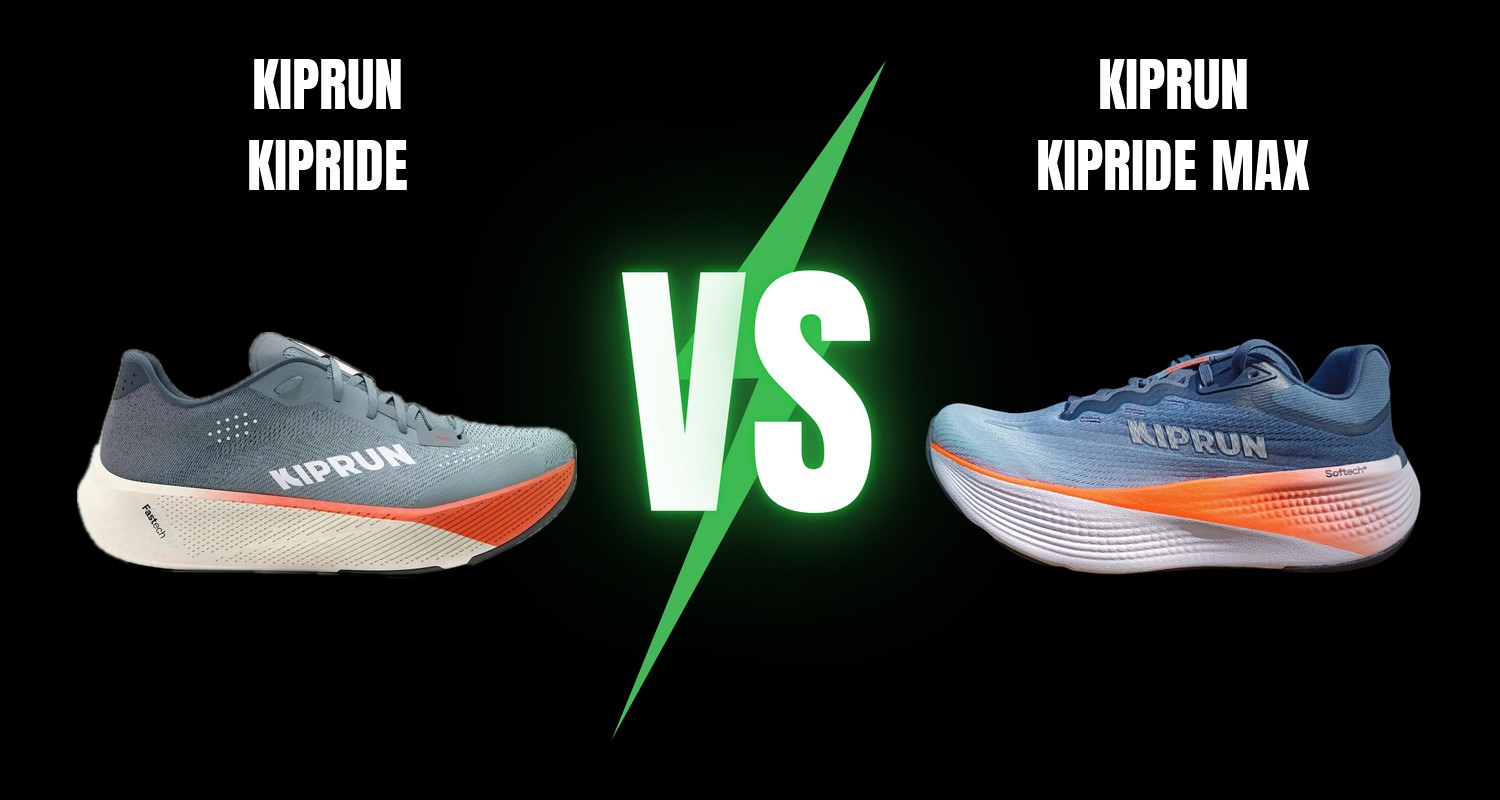
Kiprun renamed its whole road range in 2026: the KS, the KD and the Cushion 500 gave way to the Kipcore, the Kipride and the Kipstorm.
The Kipride covers daily training, one rung above the Kipcore, the former Cushion 500, which opens the range. The Kiprun Kipride Max is its max-cushion version, the one that replaced the KS900 V2.
The first difference shows up underfoot. The Kipride Max carries a noticeably taller stack at the heel, built to absorb impact over the long haul. The Kipride stays closer to the ground and lighter, by nearly 30 g / 1.1 oz. The drop is the same on both, a little below the market standard: if you are not used to it, expect a short adjustment period.
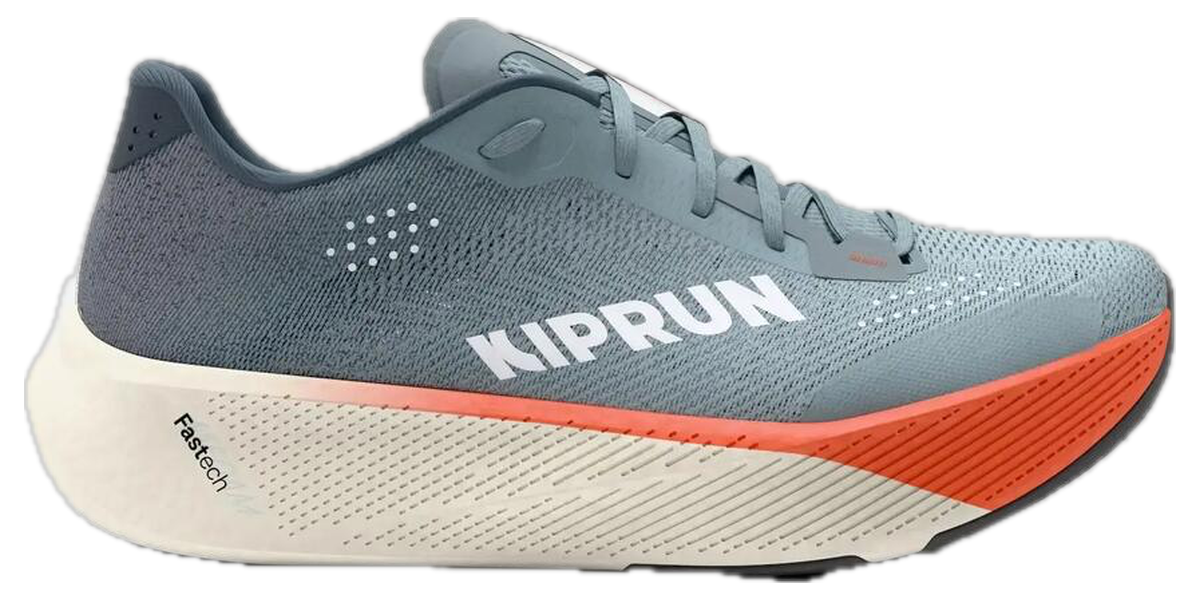
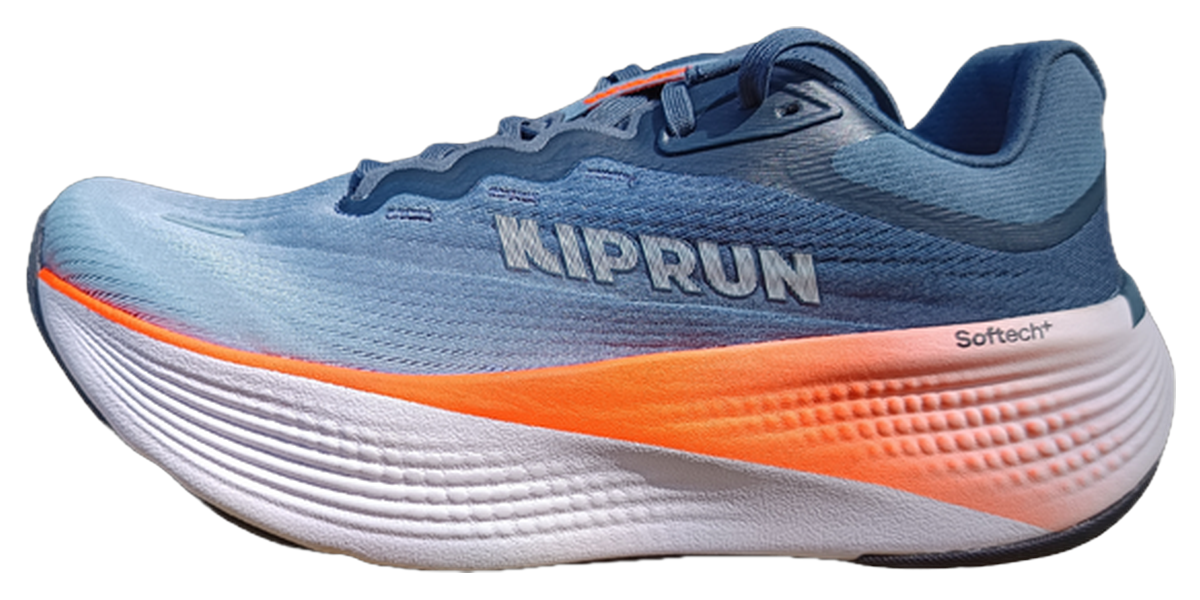
The two midsoles are not built the same way. Under the Kipride Max, Softech+ combines EVA, Peba and OBC, with no plate. On impact the feel is very well balanced, closer to plush, and Peba gives it more responsiveness than the usual comfort-shoe benchmarks. The Kipride runs on Fastech, a foam Kiprun says cushions better and feels bouncier than the KS900 Light’s.
In use, the Kipride Max handles daily training and recovery runs alike, and the protection holds all the way to the marathon, whatever your weight. The Kipride offers more conventional cushioning with plenty of versatility to cover everything in training. Ground feel is better too, thanks to the lower stack. Its light build makes it easy to pick up the pace.
On the upper, the Kipride Max sets the bar high: a Warp Knit engineered mesh that breathes very well, with a very well judged fit, even if some runners did not get on with it. The Kipride gets a standard engineered mesh that breathes well.
The Kipride Max is a bit pricier, about $20 more.
Kipride or Kipride Max: Which Should You Choose?
For most runners who want a single do-it-all pair, the Kipride Max is the safe pick: it gives comfortable cushioning all the way to the marathon, plus solid responsiveness for tempo work.
The Kipride can be the better call if you want more conventional cushioning and a more affordable price.