

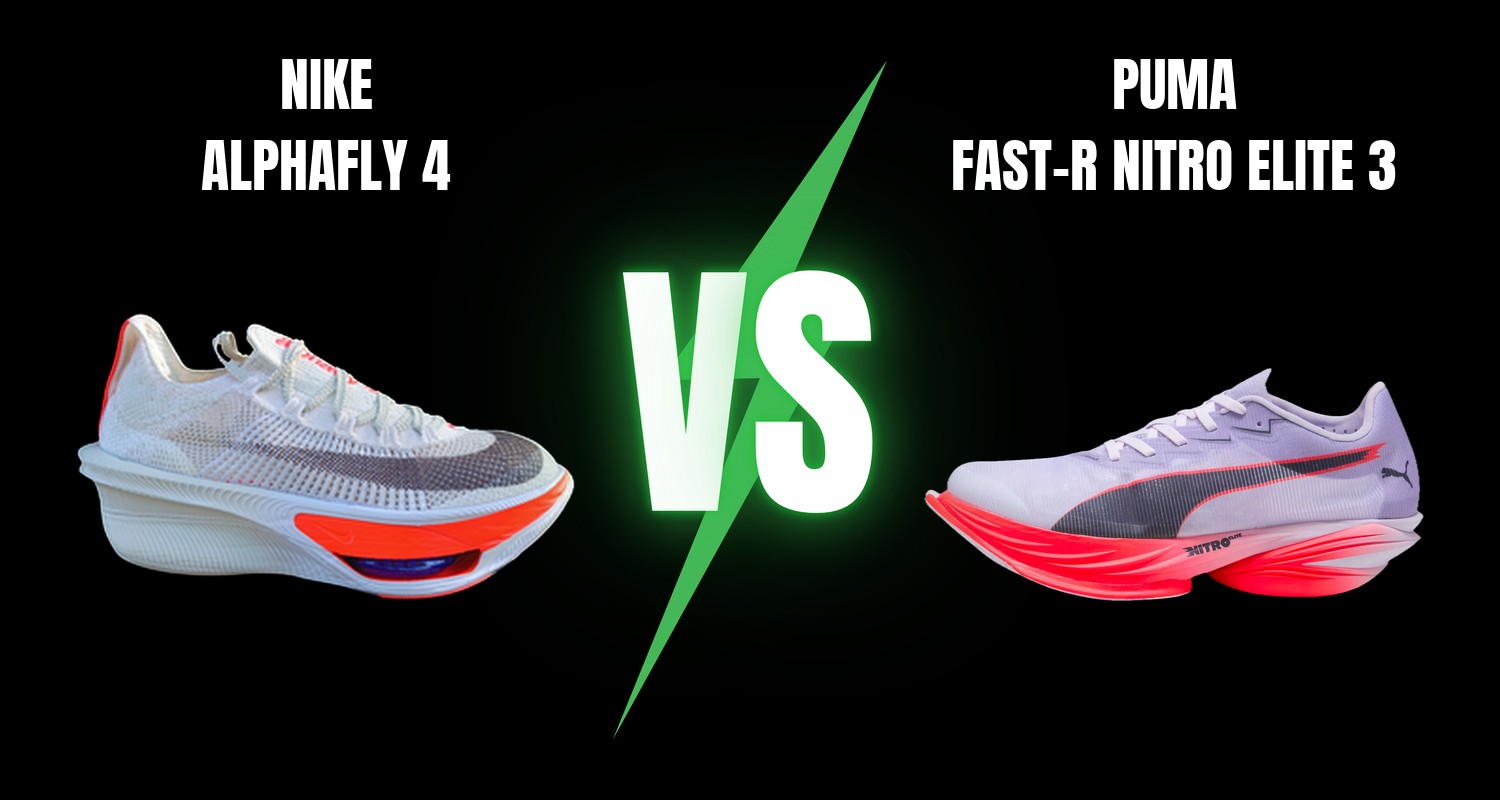
The Nike Alphafly 4 and the Puma Fast-R Nitro Elite 3 are both carbon racing shoes, but not for the same race distance.
Nike makes the Alphafly 4 its flagship for the marathon, on par with the Adidas Adios Pro 5. Puma has made the Fast-R 3 a radical racing shoe, with efficiency gains measured in the lab, built for experienced runners chasing new PRs.
Weight goes to the Puma: it’s a bit lighter, by about 15 g / 0.5 oz. Both have the same heel height and the same drop.
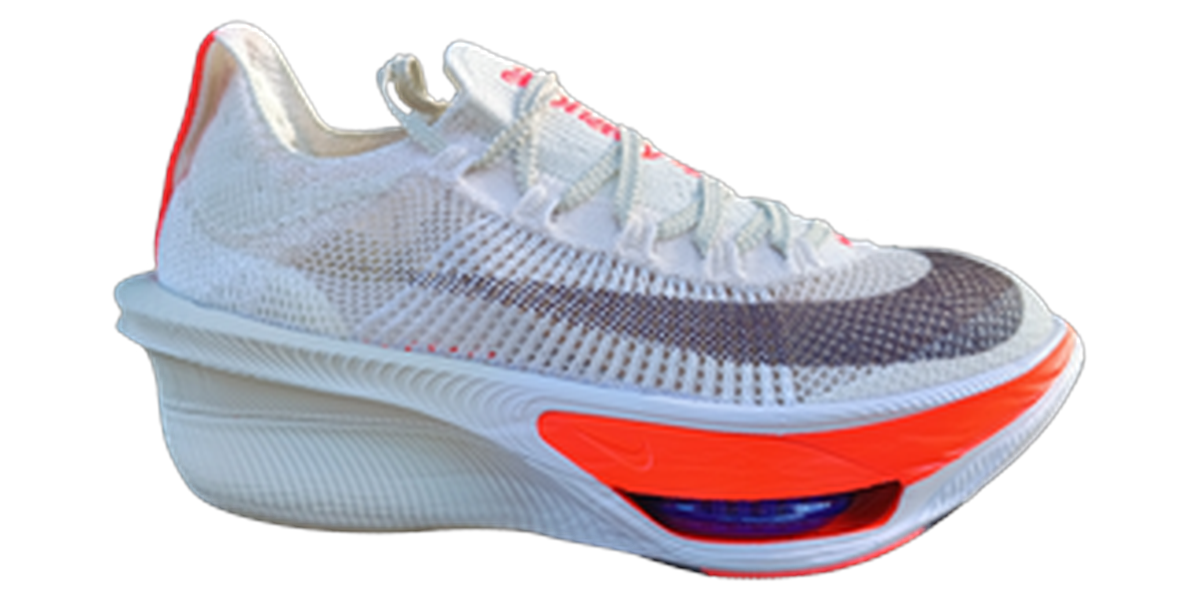
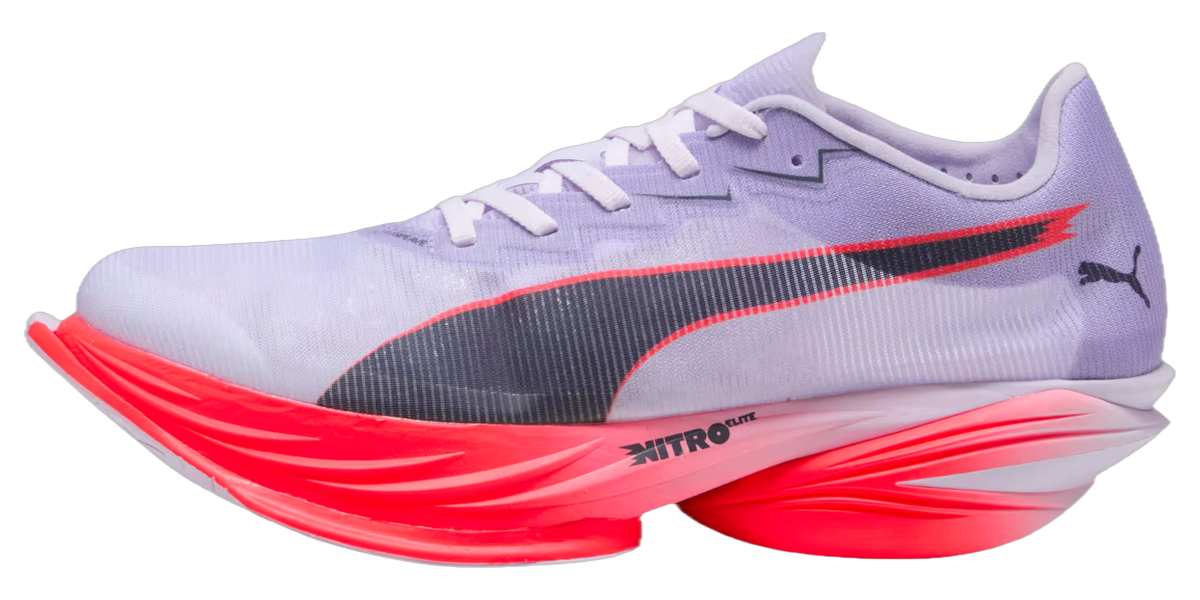
Puma splits its midsole in two, with separate forefoot and heel, a very stiff PWRPLATE carbon plate, exposed under the arch and extended past the toes, and A-TPU NITROFOAM Elite foam. Nike sticks to a conventional setup: ZoomX LT over ZoomX, a widened Flyplate and two Air Zoom units under the forefoot.
Opinion is split on the Fast-R 3’s feel: soft and explosive for some, more direct and far from plush for others. Either way, the bounce is impressive and the rocker very pronounced. The Alphafly 4 is less radical: a balanced, slightly plush feel, very strong propulsion, and a roll that stays smooth late in the race, when your stride fades.
The Fast-R 3 is one of the least stable carbon shoes on the market: its small, soft split heel becomes unstable at slow paces and late in a race on heavy legs. We especially don’t recommend it for heel strikers. By comparison, the Alphafly 4 is noticeably more stable: a widened base and plate, for stability on par with the competition (though still not as stable as a regular training shoe).
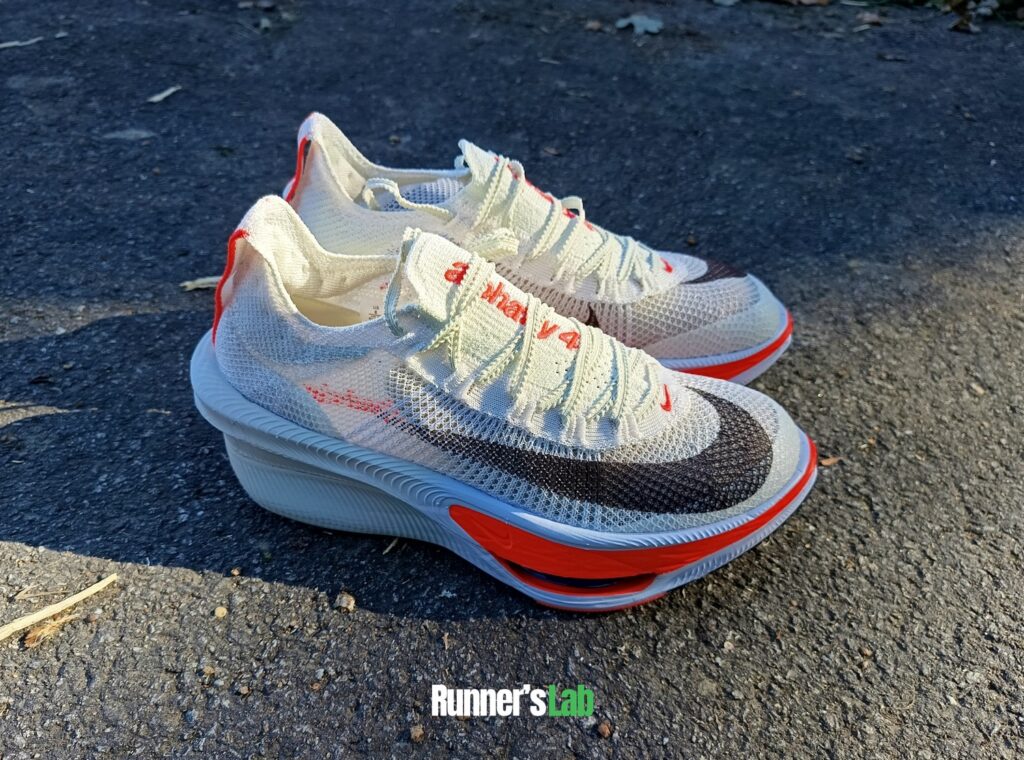
The Puma’s ultra-thin Ultraweave upper wraps the foot like few racing shoes do, with excellent heel lockdown and a snug fit. But it has almost no structure and lets the foot move in turns.
At Nike, the Atomknit upper, also light and breathable, doesn’t squeeze the foot and holds it with midfoot cables.
The Fast-R 3’s PUMAGRIP rubber is a benchmark, even in the rain. Its lifespan is short: Puma uses very little rubber on the outsole and quotes just 300 km / 186 miles. The Nike’s Fast Shot rubber offers very good grip on wet roads. What limits its lifespan is its foam, which shows wear quickly, and its Air Zoom units, which are worth watching.
Alphafly 4 vs Fast-R Nitro Elite 3: Which Should You Choose?
For the marathon, the Nike Alphafly 4: more comfortable, easier to control over 26.2 miles, and a bit cheaper, about $20 less.
Pick the Fast-R Nitro Elite 3 if you land midfoot or forefoot, over the 5K and 10K, where it’s clearly the faster of the two, and up to the half marathon, where the two are level. It demands more from your stride, and especially from your calves.