
Asics Metafuji Trail 2

The Asics Metafuji Trail 2 targets records in trail racing, up to ultras, with its X-shaped carbon plate.
Adidas Adizero Adios Pro 4

Adidas Adizero Adios Pro 4 is a high-performance carbon-plated racing shoe, perfect for setting new half or full marathon records.
Asics Metaspeed Sky Paris

The Asics MetaSpeed Sky Paris is a tremendous carbon racer to push your limits at the marathon.
Adidas Adizero Adios Pro 5
 9.6
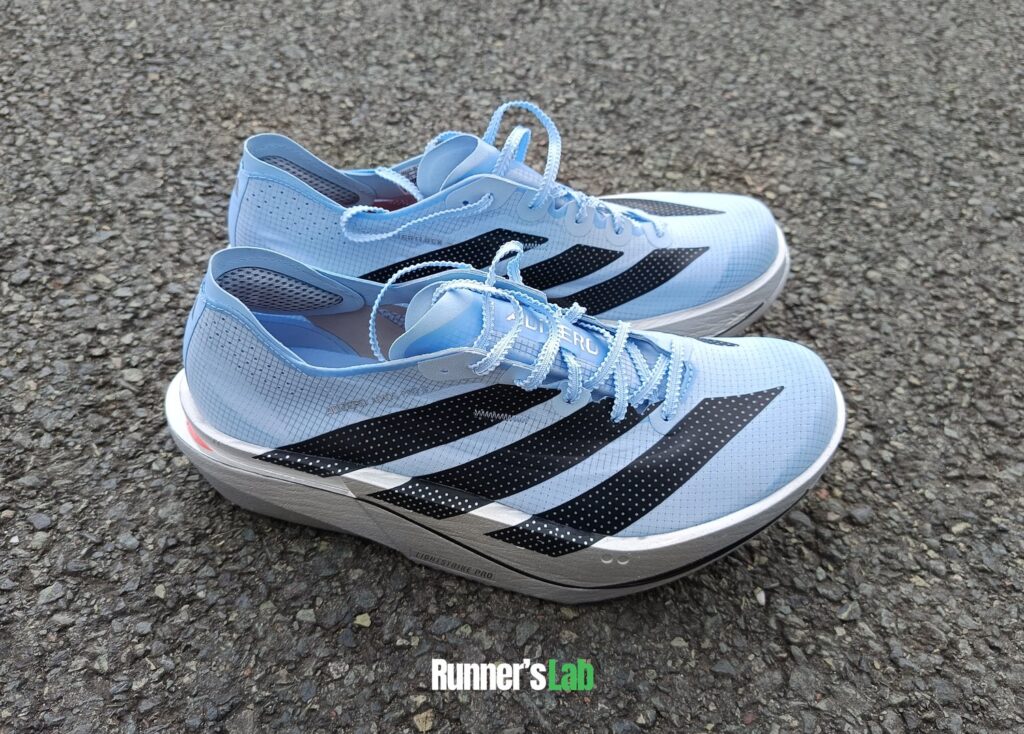
9.6The Adidas Adios Pro 5 is a light, explosive carbon-plated shoe built to break your PBs from the 5K to the marathon.
Hoka Cielo X1 3.0

The Hoka Cielo X1 3.0 is a lightweight, high-performance carbon plate racing shoe designed for all distances.
Asics Metaspeed Ray Tokyo

Elite model from the Metaspeed range, the Ray is the lightest, most challenging, but also the fastest!
Hoka Cielo X1 2.0

The Hoka Cielo X1 2.0 is a high-performance carbon-plated shoe designed for marathon runners.
Saucony Endorphin Elite 2

The Saucony Endorphin Elite 2 is an ultralight carbon-plated racing shoe with a very soft feel underfoot.
Mizuno Wave Rebellion Pro 2

The Mizuno Wave Rebellion Pro 2 are high-performance yet demanding plated racing shoes.
Hoka Tecton X 2

The Hoka Tecton X 2 is a lightweight, responsive, high-performance carbon-plated trail running shoe for versatile, medium-technical runs.
What are carbon plate running shoes?
The carbon plate is a relatively new technology invented by Nike for its Breaking2 project. The goal of this project was to run a marathon in less than two hours. To do this, the American brand brought together stars of the discipline like Eliud Kipchoge and designed a new shoe: the Vaporfly. The first shoe with a carbon plate was born.
As its name suggests, the carbon plate is a unit made of carbon fiber. This material is famous for its durability and lightness. Thus, most carbon plate shoes are very light (usually less than 220 grams/7.8 oz).
The carbon plate often comes with a high stack cushioning but not always. It’s specially designed to provide a smooth and more efficient ride by maximizing the energy return. To do this, it favors a bouncing and rocking motion while running.
A phenomenal success
If this type of shoe was an immediate worldwide success, it’s because, for once, it’s more than just a marketing gimmick: carbon plate shoes are unbeatable in races! Eliud Kipchoge broke the official world record for the marathon in Berlin in 2018 with a time of 2:01:39. He even came close to breaking the 2-hour magic mark in a Breaking2 trial at 2:00:25 (although World Athletic didn’t officially sanction this record). The same thing with women athletes: Brigid Kosgei shattered the world record in 2:14:04 in 2019 at the Chicago Marathon.
Nike’s carbon shoes are so effective that some athletes sponsored by competing brands wear them while hiding the logo. Many articles have questioned whether these shoes could represent an unfair advantage in the official races. For example, the New York Times conducted a study that found that runners wearing the Next% were 4% to 5% faster than the next-best alternative.
Faced with these concerns, World Athletics (formerly IAAF) has put in place the following rules to regulate the use of these shoes:
- The sole must not be thicker than 40 mm.
- The sole must not contain more than one rigid plate (made of carbon plate or other material) covering either the entire length of the shoe or part of the shoe. The plate can be in more than one part, but they must not overlap.
- The shoe must not be a prototype: it must have been on the market for at least four months.
Nike’s competitors are counter-attacking
Faced with the smashing and undisputed success of Nike, competing brands have begun to develop their first carbon plate models to retain athletes and customers.
Some major brands such as Asics, Saucony, and Adidas took a bit of time to unveil their first model (most likely to make sure they could offer a viable alternative to the Nike Next% collection), but the wait was worth it!
At the moment, here are the best carbon plate shoes available:
- Nike Air Zoom Alphafly NEXT%
- Adidas Adizero Adios Pro
- Asics MetaRacer
- Saucony Endorphin Pro
- Brooks Hyperion Elite 2
- New Balance FuelCell RC Elite
- Hoka Carbon X
- On Running Cloudboom
Frequently Asked Questions (FAQs)
Why are carbon plate shoes so expensive?
These shoes require a lot of investment in research and development to stand out from the competition and excel in official competition. There, brands set a high price tag to recover their initial investment. Carbon fiber is also an expensive material. Another explanation is that the production of these shoes is often limited, and runners can’t get enough of them, even at $200+! For example, the Adidas Adizero Adios Pro sold out in just a few hours after its launch.
Is it possible to train daily with this type of shoe?
It depends primarily on the model. Overall, their ultra-light build makes them more vulnerable than traditional running shoes. However, some models are quite durable, such as the Saucony Endorphin Pro. However, others will not last longer than 200 km (like the Brooks Hyperion Elite).
Therefore, we recommend that you alternate and do not train exclusively with this type of shoe. It will allow you to better train your muscles while keeping your shoes in good shape for the race day.
Which Nike models feature a carbon plate?
The AlphaFly and the Vaporfly feature one.
Are carbon shoes better than regular running shoes?
It all depends on your goal. If you want to set a new personal best in competition, then yes, there’s evidence that shows that these shoes are faster than usual running shoes.
If you want to run easy with the primary goal of not hurting yourself, then the answer is more complicated. In this case, we recommend to try these shoes on while alternating with other running shoes. You will then be able to decide according to your personal experience what’s best for you.
